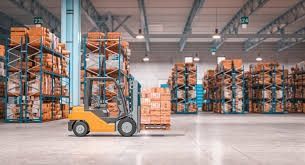
Material Handling Equipment Guide: Key Types, Functions, and Industrial Applications
Material handling equipment plays an important role in modern industry by helping move, store, control, and protect materials throughout production, storage, distribution, and transportation processes.
From manufacturing facilities to distribution centers, these systems help organizations manage physical goods efficiently and safely.
The concept of material handling has existed for centuries. Early industries relied heavily on manual labor and simple mechanical tools to move materials. As industrial production expanded, more advanced equipment was developed to support larger volumes of goods and reduce physical strain on workers. Today, industrial material handling equipment includes a wide range of machines and systems designed to support various operational needs.
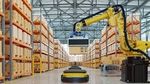
Modern warehouses, factories, ports, and logistics centers depend on warehouse material handling equipment to manage inventory movement and storage. These systems can range from basic hand-operated devices to highly sophisticated automated material handling systems that use sensors, robotics, and software for improved coordination.
Material handling machinery exists because industries need practical ways to transport materials between locations, reduce delays, improve workplace safety, and maintain efficient workflows. As production and distribution networks become more complex, the importance of effective material handling continues to grow.
Main Categories of Material Handling Equipment
Material handling equipment is generally divided into several broad categories:
- Transport equipment for moving materials from one location to another.
- Positioning equipment for placing materials in specific locations.
- Storage equipment for holding inventory and products.
- Unit load formation equipment for grouping materials into manageable loads.
- Identification and control systems for tracking inventory movement.
Each category serves a different purpose but works together within industrial operations.
Importance
Supporting Efficient Movement of Goods
One of the primary purposes of material handling equipment is to support the movement of materials through production and distribution processes. Without appropriate equipment, moving products manually can be time-consuming and physically demanding.
Industrial logistics equipment helps streamline the flow of materials between receiving areas, storage zones, production lines, and shipping departments. This movement is essential for maintaining operational continuity.
Improving Workplace Safety
Many materials are heavy, bulky, or difficult to transport manually. Industrial lifting equipment reduces the need for excessive physical handling and helps lower the risk of workplace injuries.
Equipment such as cranes, hoists, lift tables, and forklifts assists workers in managing loads more safely. Proper use of these systems contributes to safer working environments.
Increasing Storage Efficiency
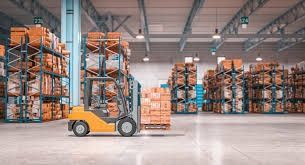
Warehouse space is often limited. Warehouse material handling equipment helps maximize available storage by supporting organized inventory placement and retrieval.
Examples include:
- Pallet racks
- Automated storage systems
- Shelving structures
- Vertical storage solutions
Efficient storage allows facilities to handle larger inventory volumes within existing spaces.
Supporting Industrial Production
Manufacturing operations depend on consistent material flow. Material handling machinery ensures raw materials, components, and finished products move efficiently between production stages.
Interruptions in material movement can slow production processes. Appropriate handling systems help maintain operational consistency.
Reducing Product Damage
Products can become damaged when handled improperly. Conveyor systems, lifting devices, and automated transport equipment help move materials in a controlled manner.
Reduced handling errors can contribute to improved product quality and inventory management.
Common Material Handling Equipment and Functions
| Equipment Type | Primary Function | Typical Application |
|---|---|---|
| Forklifts | Lifting and transporting pallets | Warehouses and factories |
| Conveyors | Continuous material movement | Manufacturing lines |
| Cranes | Heavy load lifting | Construction and industrial facilities |
| Pallet Jacks | Short-distance pallet transport | Storage facilities |
| Hoists | Vertical lifting | Production environments |
| Automated Guided Vehicles | Automated transport | Distribution centers |
| Lift Tables | Position adjustment | Assembly operations |
| Storage Racks | Inventory storage | Warehouses |
Recent Updates
Expansion of Automated Material Handling Systems
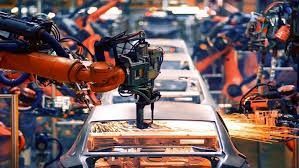
A major trend in recent years has been the growth of automated material handling systems. Organizations increasingly use automation to improve consistency, inventory visibility, and operational efficiency.
Automated systems may include robotic transport units, automated storage systems, and intelligent inventory management platforms. These technologies are becoming more common across manufacturing and logistics sectors.
Increased Use of Data Integration
Modern material handling machinery is increasingly connected to software platforms that provide real-time operational information.
These systems can monitor:
- Equipment utilization
- Inventory movement
- Maintenance requirements
- Material flow patterns
- Warehouse performance
Access to operational data helps organizations understand how materials move through facilities.
Growth of Industrial Conveyor Systems
Industrial conveyor systems continue to evolve with improved controls and flexible configurations. Many facilities now use conveyor networks that can adapt to changing production requirements.
Conveyor system equipment may include:
- Belt conveyors
- Roller conveyors
- Chain conveyors
- Overhead conveyors
- Modular conveyors
These systems support continuous material movement and reduce manual transportation requirements.
Focus on Energy Efficiency
Manufacturers of industrial material handling equipment increasingly incorporate energy-efficient technologies into their products.
Examples include:
- Variable-speed motors
- Regenerative braking systems
- Efficient power management controls
- Automated shutdown features
These developments support operational sustainability goals.
Robotics and Artificial Intelligence Integration
Some automated material handling systems now incorporate robotics and artificial intelligence capabilities.
Applications may include:
- Automated picking
- Route optimization
- Inventory tracking
- Load identification
- Predictive maintenance planning
These technologies continue to expand across logistics and manufacturing environments.
Laws or Policies
Workplace Safety Regulations
Material handling operations are influenced by workplace safety regulations in many countries. These regulations typically establish requirements for equipment operation, worker training, maintenance practices, and hazard prevention.
Safety standards often address:
- Load limits
- Equipment inspections
- Operator qualifications
- Emergency procedures
- Workplace hazard controls
Compliance helps organizations maintain safe operating conditions.
Equipment Certification Requirements
Certain types of industrial lifting equipment and material handling machinery may require periodic inspection and certification.
Examples include:
- Cranes
- Hoists
- Lifting accessories
- Pressure-related components
Inspection programs help verify that equipment remains suitable for operational use.
Occupational Health and Safety Programs
Government occupational safety agencies often publish guidelines for manual handling, lifting operations, equipment operation, and warehouse management.
These programs promote safe handling practices and encourage risk reduction measures across industrial environments.
Environmental Considerations
Environmental regulations may influence equipment design and operation. Requirements can include emissions management, energy efficiency standards, and proper disposal of industrial components.
Organizations may also adopt environmental management frameworks that encourage efficient use of resources within material handling processes.
Tools and Resources
Warehouse Management Systems
Warehouse Management Systems (WMS) help organizations track inventory movement and coordinate warehouse material handling equipment activities.
Common functions include:
- Inventory tracking
- Order management
- Storage location management
- Shipment coordination
Computerized Maintenance Management Systems
Maintenance software assists organizations in scheduling inspections and maintenance activities for industrial material handling equipment.
These systems help monitor equipment condition and maintenance history.
Conveyor Design Software
Conveyor planning tools assist engineers in designing conveyor system equipment layouts and evaluating operational requirements.
Such software may support:
- Capacity calculations
- Layout planning
- Material flow analysis
- Equipment selection
Safety Assessment Templates
Risk assessment templates help organizations evaluate potential hazards associated with industrial lifting equipment and transport systems.
These documents support structured safety reviews and operational planning.
Industry Standards and Technical Resources
Technical publications, engineering associations, and industry organizations provide educational materials related to material handling machinery and logistics operations.
These resources often include:
- Technical standards
- Equipment guidelines
- Safety documentation
- Operational references
FAQs
What is material handling equipment?
Material handling equipment refers to machines, tools, and systems used to move, store, control, and protect materials throughout manufacturing, warehousing, and distribution operations.
What types of industrial material handling equipment are commonly used?
Common industrial material handling equipment includes forklifts, cranes, hoists, conveyors, pallet jacks, storage racks, automated guided vehicles, and lift tables.
How do automated material handling systems work?
Automated material handling systems use technologies such as sensors, software, robotics, and automated transport equipment to move and manage materials with limited manual intervention.
What is the purpose of conveyor system equipment?
Conveyor system equipment transports materials continuously between locations. It helps support efficient movement of products within factories, warehouses, and distribution centers.
How do industrial conveyor systems differ from manual transport methods?
Industrial conveyor systems provide continuous automated movement of materials, while manual transport methods rely on workers or manually operated equipment to move goods between locations.
Conclusion
Material handling equipment forms an essential part of modern industrial operations. From basic transport devices to advanced automated material handling systems, these technologies support the movement, storage, and control of materials across many industries. Industrial conveyor systems, industrial lifting equipment, and other industrial logistics equipment help organizations manage workflow efficiency and workplace safety. As automation and digital technologies continue to evolve, material handling machinery remains an important component of manufacturing, warehousing, and distribution activities.